Know what is actually ready.
Identify what is proven, what remains uncertain and which readiness gaps deserve attention.
DECISION / What can move forward — and what cannot yet.

Independent field-readiness evaluation for UAV, C-UAS and autonomous systems, translating operational evidence into engineering priorities.
01 / The field reality
Controlled trials can confirm performance, but they may not reveal the operator, integration, maintenance and sustainment issues that determine real field readiness.
KFS identifies what is genuinely ready, what remains unproven, and what engineering should address or validate next.
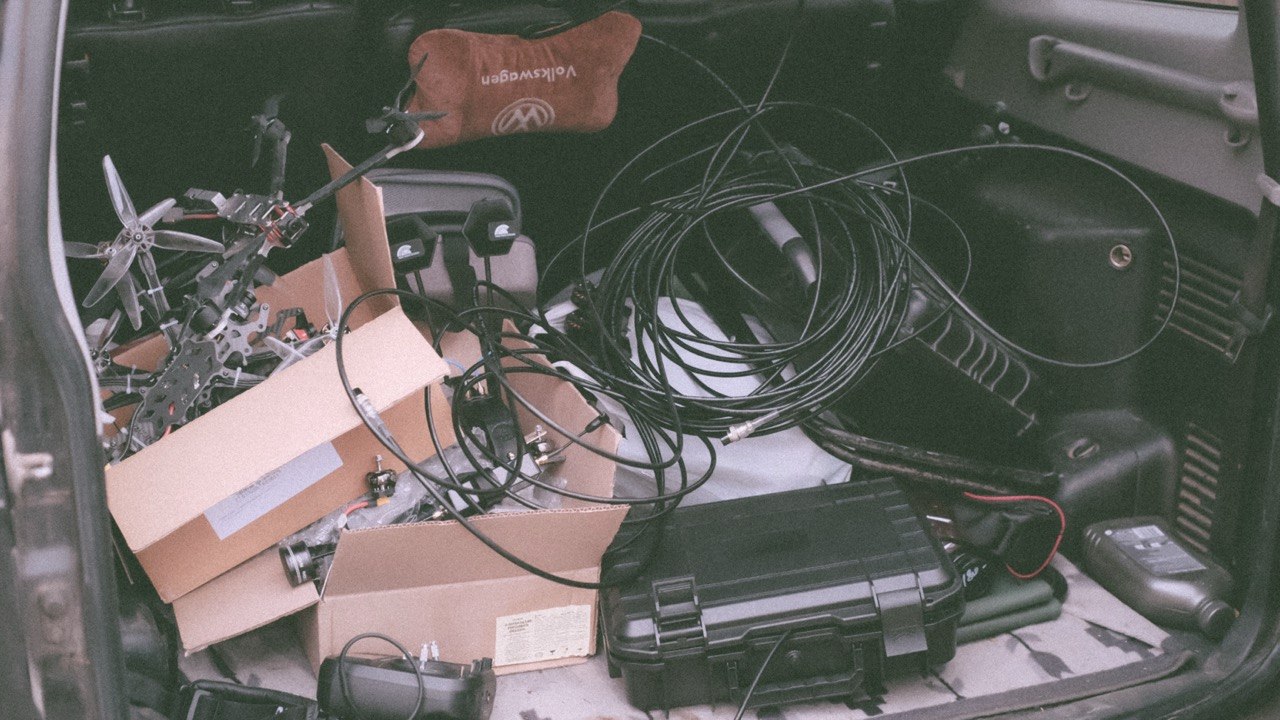
Field logistics / Deployment reality
Field photograph. Equipment as it actually travels, is stored and is prepared before use.
02 / What we do
Know what to build, fix, and verify next.
Identify what is proven, what remains uncertain and which readiness gaps deserve attention.
DECISION / What can move forward — and what cannot yet.
Convert structured field evidence into prioritized product actions and validation requirements.
DECISION / What engineering should address first.
Reassess the original readiness gap after product changes.
DECISION / Close it, iterate again, or validate further.
03 / How it works
Each evaluation is structured around the product, its intended use, the evidence available and the decision the manufacturer needs to make.
Typical output
Readiness assessment · Prioritized findings · Engineering implications · Validation requirements · Reassessment evidence
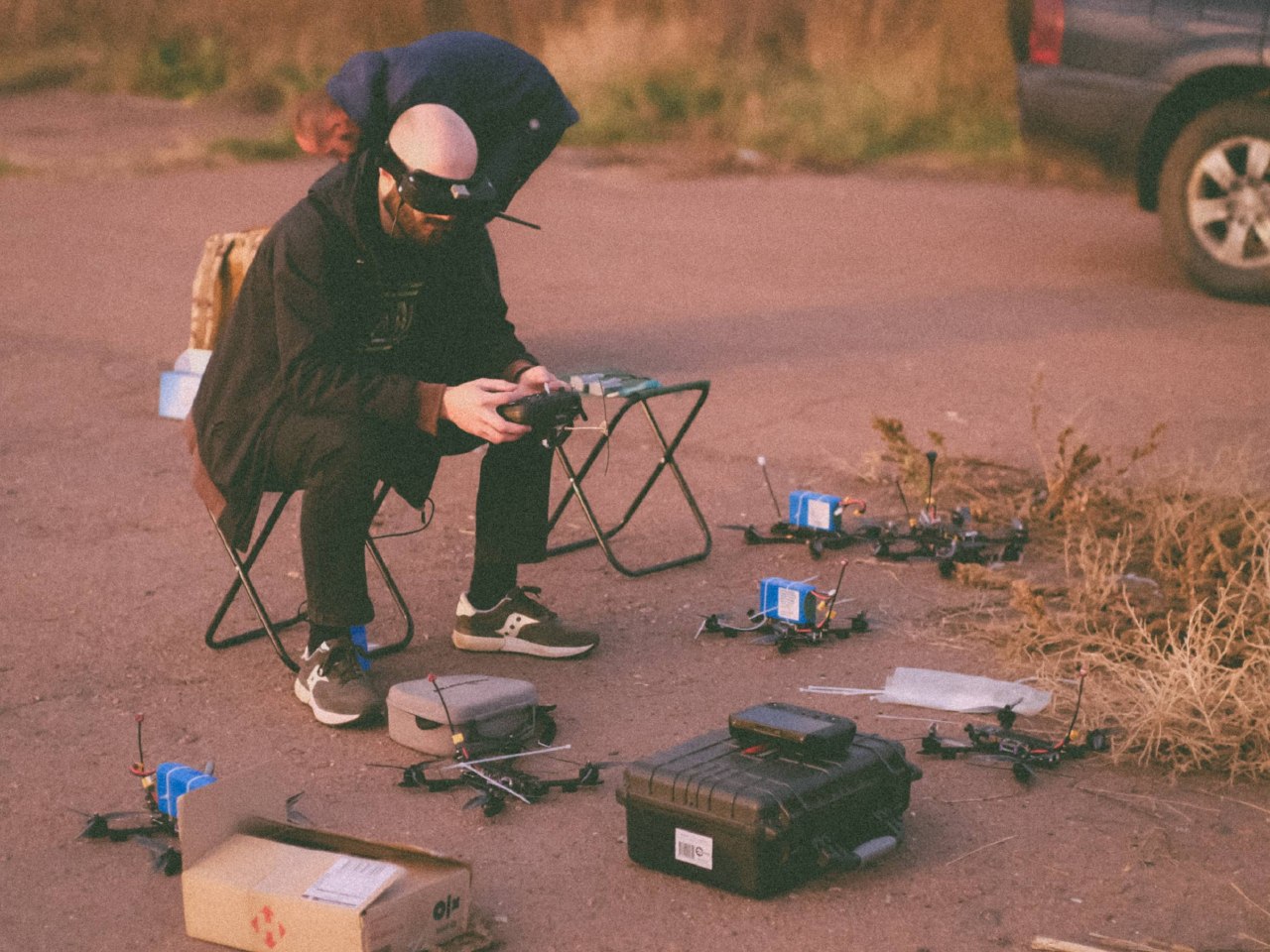
Field setup / Pre-flight sequence
Field photograph. Systems observed as they are actually prepared, staged and operated.
04 / Evidence
Sanitized output from a completed independent KFS field-readiness assessment.
Developed from Ukrainian field experience.
Structured for international engineering teams.
Completed field-readiness assessment
Sanitized
Sanitized assessment excerpt · PDF
05 / Origin
KFS was built from direct experience operating, integrating, troubleshooting and supporting unmanned systems under demanding field conditions — and from the recurring gap between what the field learns and what engineering teams can reliably absorb.
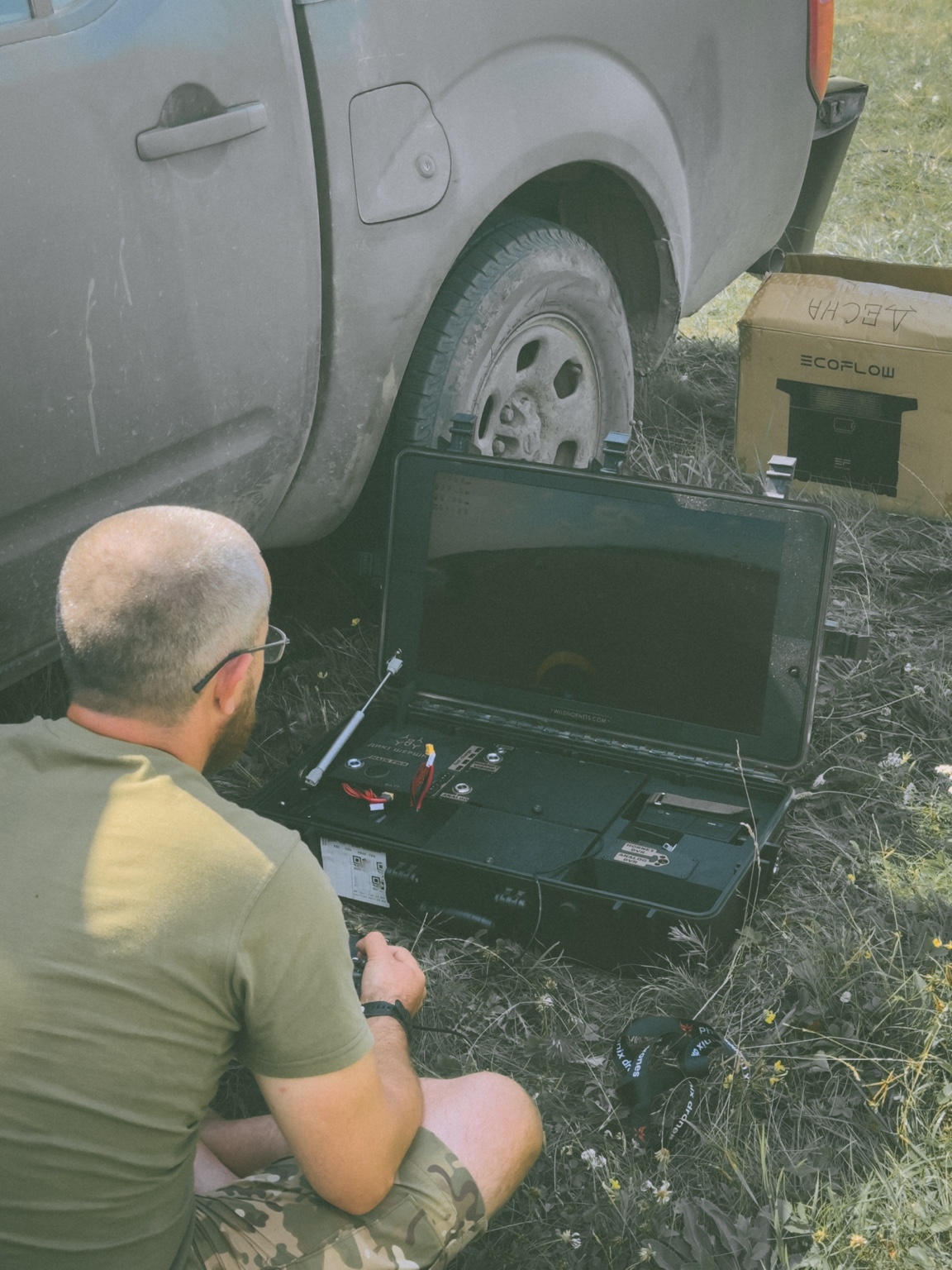
Field workstation / Operator context
Field photograph. Conditions in which systems are actually set up, operated and supported.
06 / START HERE
Start with the decision you need to make.
A product question, readiness concern or validation requirement is enough to begin.
01 / QUESTION
Tell us what you need to determine.
No detailed technical or sensitive information is required at this stage.
02 / SCOPE
We define the evaluation.
Evidence, access, timeline and expected outputs are established before work begins.
03 / AGREE
Know the engagement before you commit.
Scope, deliverables and commercial terms are agreed before proceeding.
INITIAL ENQUIRY · NO COMMITMENT TO PROCEED