Before an important trial
Find readiness issues before the customer or evaluator does.
Evaluation
KFS structures each evaluation around the product, its intended use, the evidence available and the decision the manufacturer needs to make.
Product question → Field evidence → Engineering decision
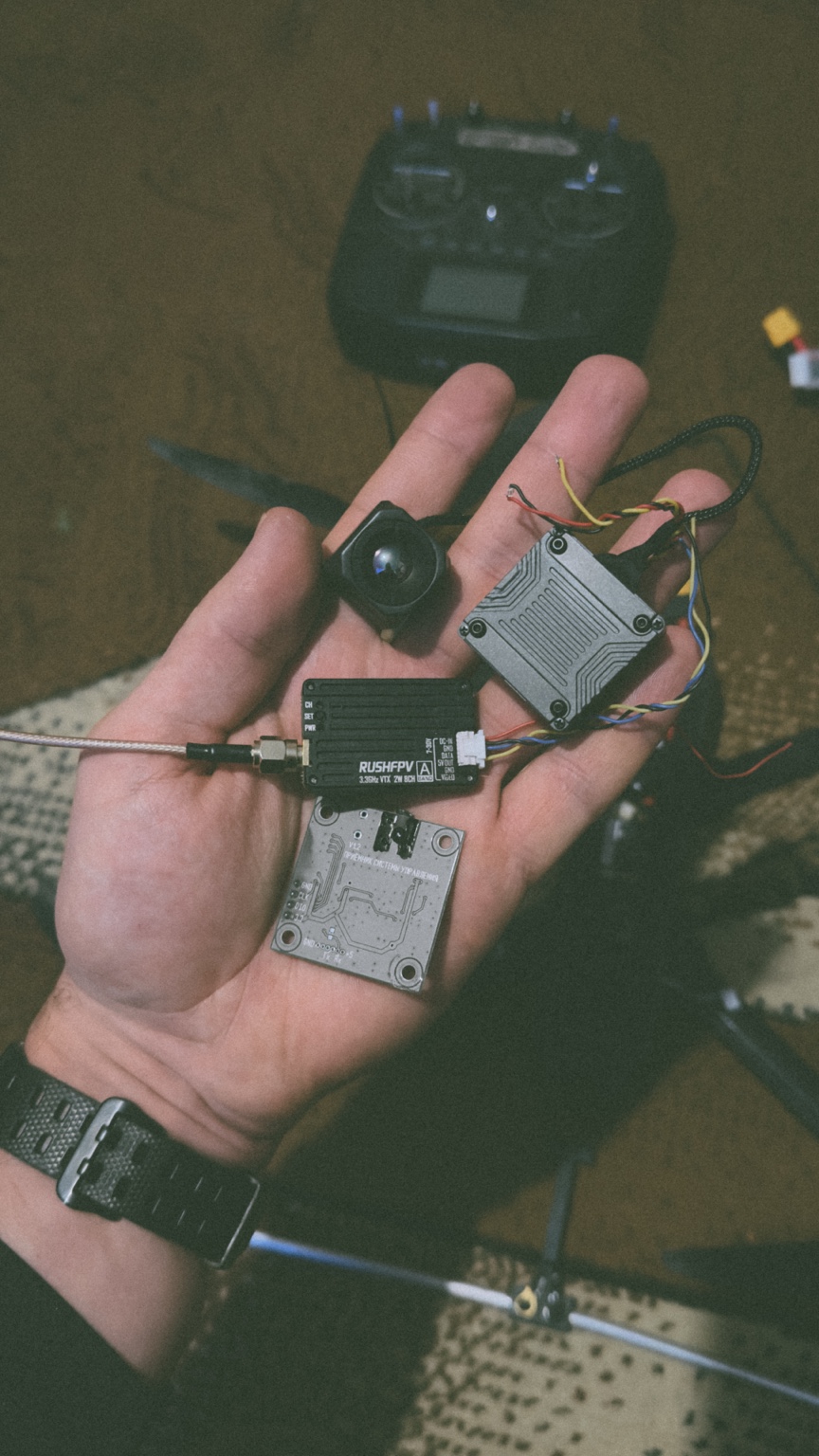
Component inspection / Evidence capture
Field photograph. Systems examined as they are actually handled, prepared and serviced.
01 / When
Find readiness issues before the customer or evaluator does.
Separate recurring product limitations from operator preference, configuration issues and isolated events.
Determine whether the fix actually resolved the original problem.
Understand whether the system can scale beyond specialist users.
KFS is most useful when a manufacturer faces a product decision but the available field evidence is incomplete, inconsistent or difficult to translate into engineering action.
02 / Process
Define the product, intended use, known concerns and decision the evaluation must support.
Determine what evidence is required and how it can realistically be obtained.
Review documentation, observe demonstrations, work hands-on with the system, interview relevant personnel and/or evaluate in field conditions where appropriate.
Convert material observations into operational consequences, engineering implications, priorities and unresolved questions.
Where corrective work follows, reassess against the original finding and determine whether evidence supports closure.
Define the product, intended use, known concerns and decision the evaluation must support.
Determine what evidence is required and how it can realistically be obtained.
Review documentation, observe demonstrations, work hands-on with the system, interview relevant personnel and/or evaluate in field conditions where appropriate.
Convert material observations into operational consequences, engineering implications, priorities and unresolved questions.
Where corrective work follows, reassess against the original finding and determine whether evidence supports closure.
03 / Method
Ten readiness domains.
Evidence attached to every material conclusion.
Readiness
1–5
How field-ready the domain is, on a defined scale.
Evidence
E0–E4
How strongly the conclusion is supported.
Priority
P1–P4
How much the finding deserves engineering attention.
Readiness score, evidence strength and finding priority are treated separately so that a low score, a weakly supported concern and a high-confidence operational problem are not treated as the same thing.
“Scores are not conclusions without evidence.”
Each domain carries a readiness score, an evidence level and a finding priority, recorded separately so a conclusion can be weighed against the evidence behind it.
Scales as recorded in the completed assessment.
04 / Output
Traceable scope, evidence, readiness observations and open questions.
Material issues linked to operational consequence, evidence strength and recommended action.
What should be tested, demonstrated or changed next to resolve uncertainty.
What is ready, what remains open and what deserves attention first.
Troubleshooting and diagnostic knowledge is not sufficiently externalized into a single operator-facing fault-isolation process.
Repeated operational observations across Operator Usability, Maintainability, Supportability and Feedback Responsiveness criteria.
Longer setup and recovery time, greater dependence on experienced users and direct support, and inconsistent fault reporting.
Current documentation is stronger on the normal operating workflow than on fault states, likely causes and recovery logic.
Create one standardized troubleshooting architecture linking indicators and symptoms to likely causes, checks and recovery steps, with clear escalation criteria.
Faster fault isolation, more independent users, fewer repetitive support contacts and higher-quality engineering feedback.
Sanitized finding from a completed independent KFS assessment.
Overall field readiness
3.25 / 5
Assessment confidence
High
Primary priority
Troubleshooting / diagnostics
Selected recommended action matrix
7-page sanitized excerpt from a completed KFS assessment.
Manufacturer identity, product identity, identifying imagery and selected configuration-specific findings have been withheld.
05 / Engage
KFS provides
KFS does not replace
Confidentiality, product access, information handling and evidence-retention boundaries are agreed before evaluation begins.

Fixed-wing UAV / Field context
Field photograph. System shown in representative operating context.
Tell us what the system is, what decision you need to make and where the uncertainty currently sits.
KFS will determine whether an evaluation is an appropriate next step.
Scoping conversation → Confidentiality & scope → Evaluation proposal